01 / LEARN
Understand the idea.
Accessible learning grounded in scuba diving contexts.
A self-led learning journey for recreational scuba divers, with twelve connected lessons across three stages: Prepare, Build and Restore.
Dive Attune is designed to help you understand your own responses, think clearly about your diving and make considered choices at your own pace.
It combines accessible explanations with reflection prompts and practical exercises that you can return to before or after dives. There is no expectation to push through discomfort, dive beyond your limits or achieve a particular outcome.
Work through the lessons in order, pause whenever you need to, and use your reflections to identify what is helpful for you. The workbook is a digital resource you can revisit over time.
Safety comes first: Dive Attune complements recognised scuba training and guidance. It does not replace instruction, dive planning, buddy checks, medical advice or established safety procedures.
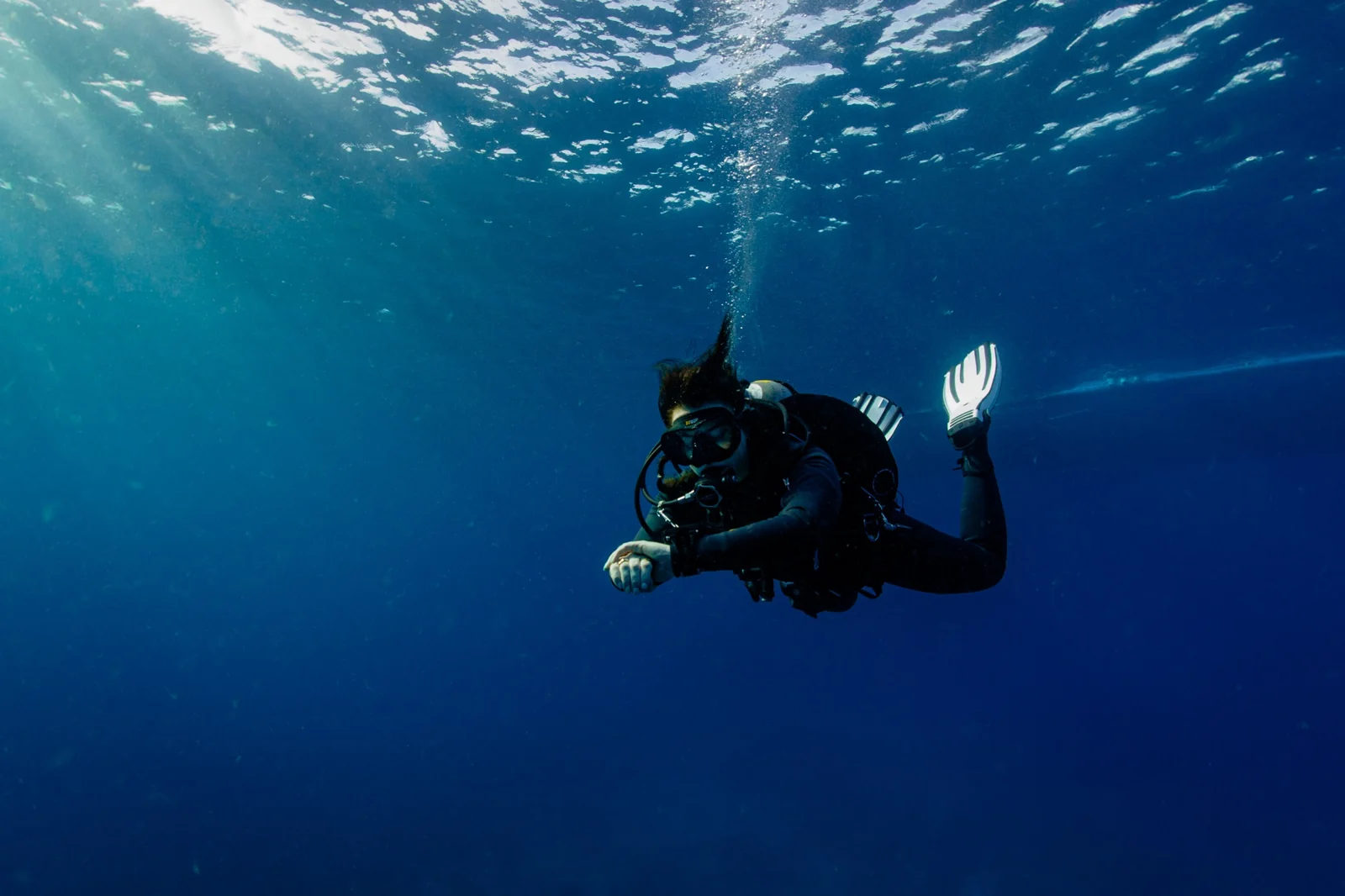
Explore nerves and triggers, consider readiness and build a preparation routine that works for you.
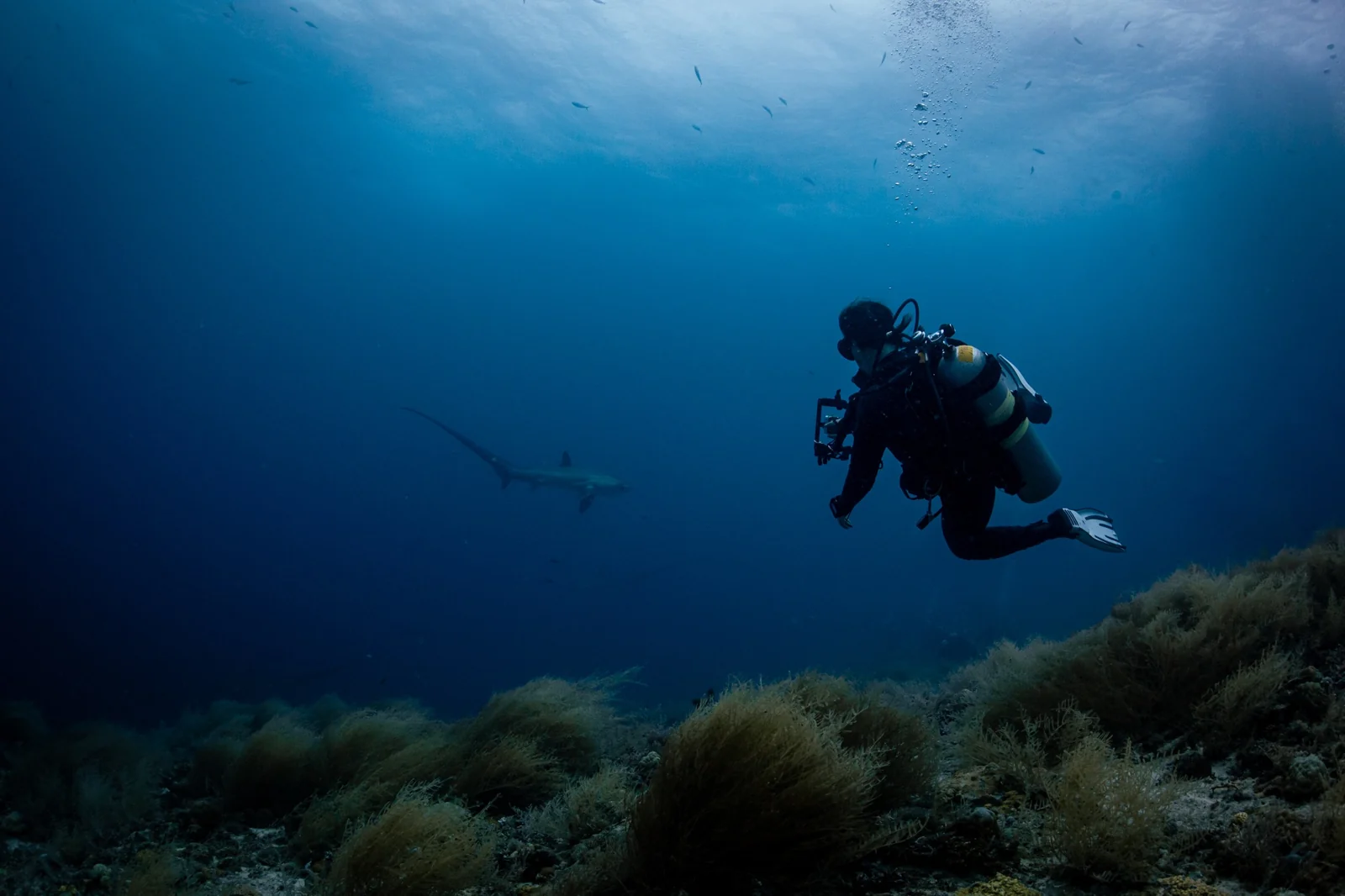
Recognise capabilities and limits, communicate your needs and apply sound judgement.
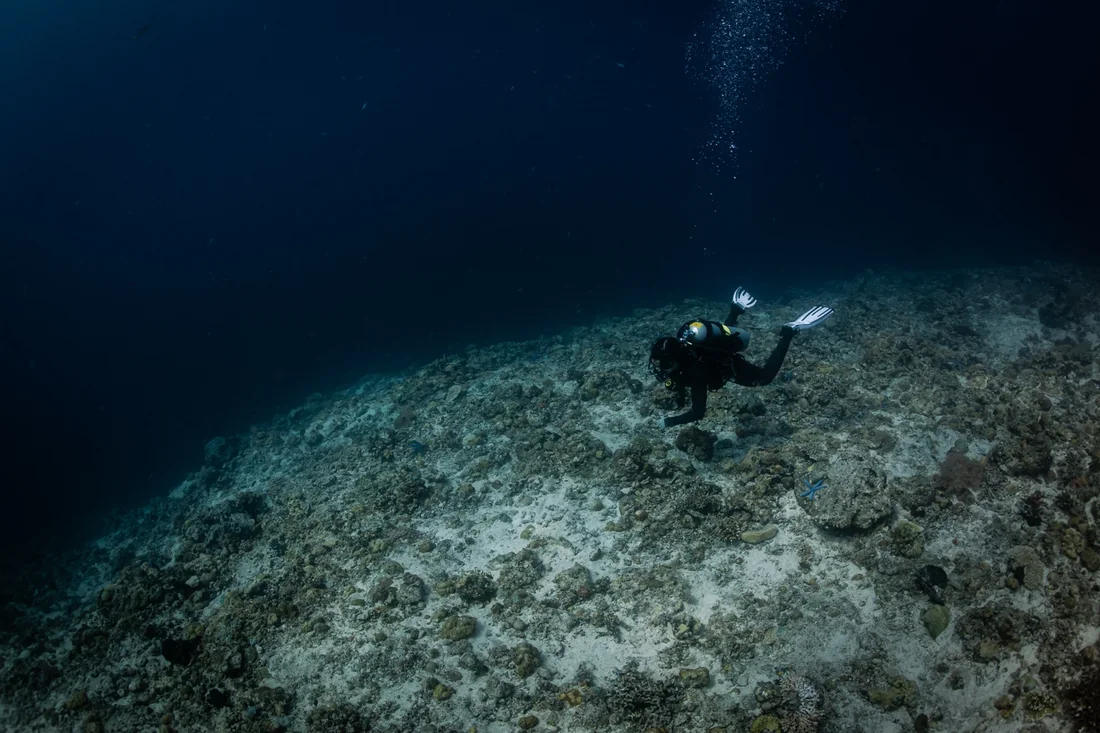
Reflect on challenging dives without judgement and identify realistic next steps.
Our relationship with the underwater world can bring powerful emotions, not all of them positive. Witnessing coral degradation, marine pollution or changes to familiar dive sites can leave divers feeling saddened, frustrated or overwhelmed.
Dive Attune also explores how environmental concerns can influence our diving experiences, with opportunities to recognise these feelings, reflect without self-blame and consider constructive, personally meaningful ways forward.
These themes are explored within the existing lessons, particularly Build and Restore. They are not a separate programme or a substitute for professional psychological support.
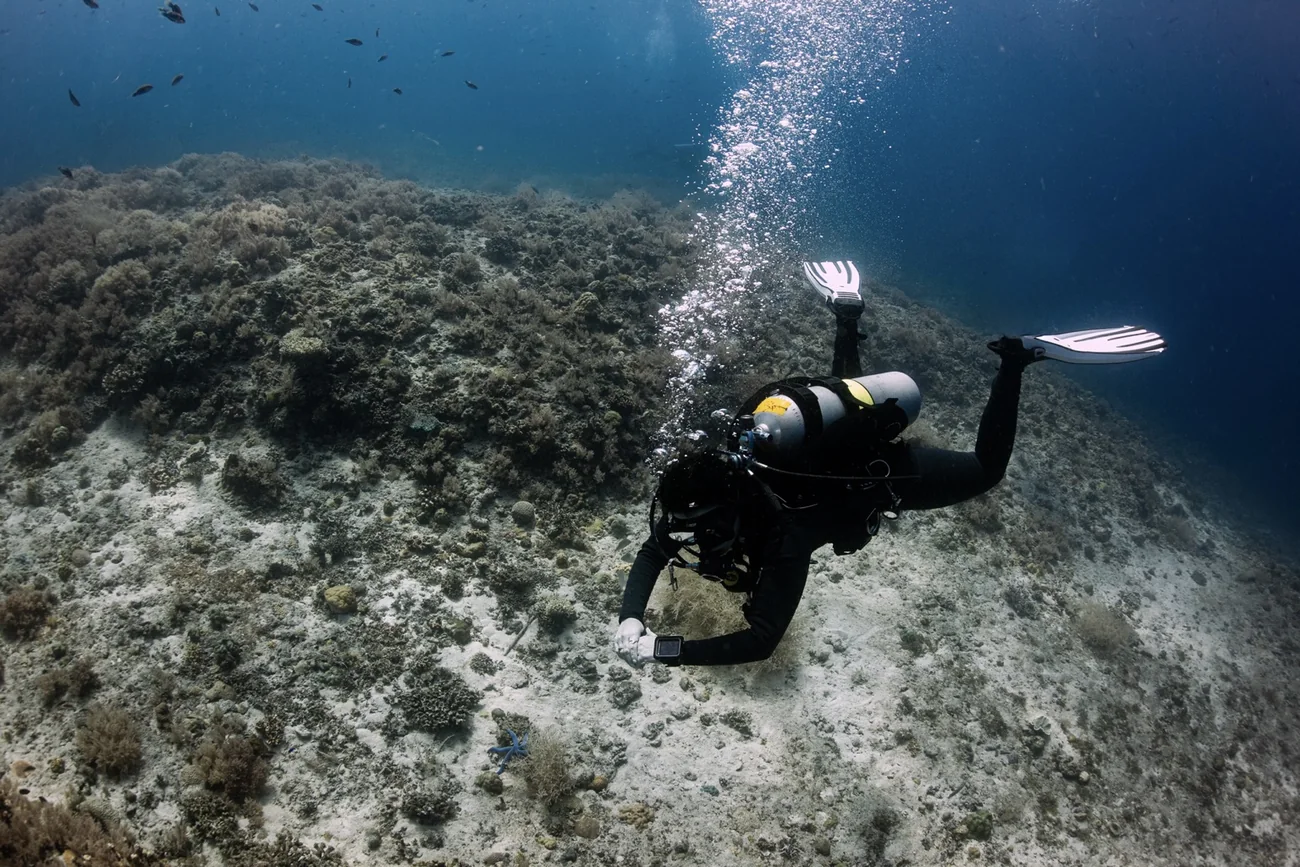
The workbook is designed for individual learning, rather than assessments or pass/fail outcomes.
Accessible learning grounded in scuba diving contexts.
Use guided prompts to consider your own experiences and needs.
Identify realistic actions while keeping training and safety boundaries in place.
The programme is informed by established scuba diving guidance and relevant psychological research. It is not presented as a clinically validated treatment or a substitute for professional support.
Our pilot invites recreational divers to explore the first four lessons over three weeks and share feedback to help refine the programme.
Find out about the pilot